


SIMO.io Test Kit


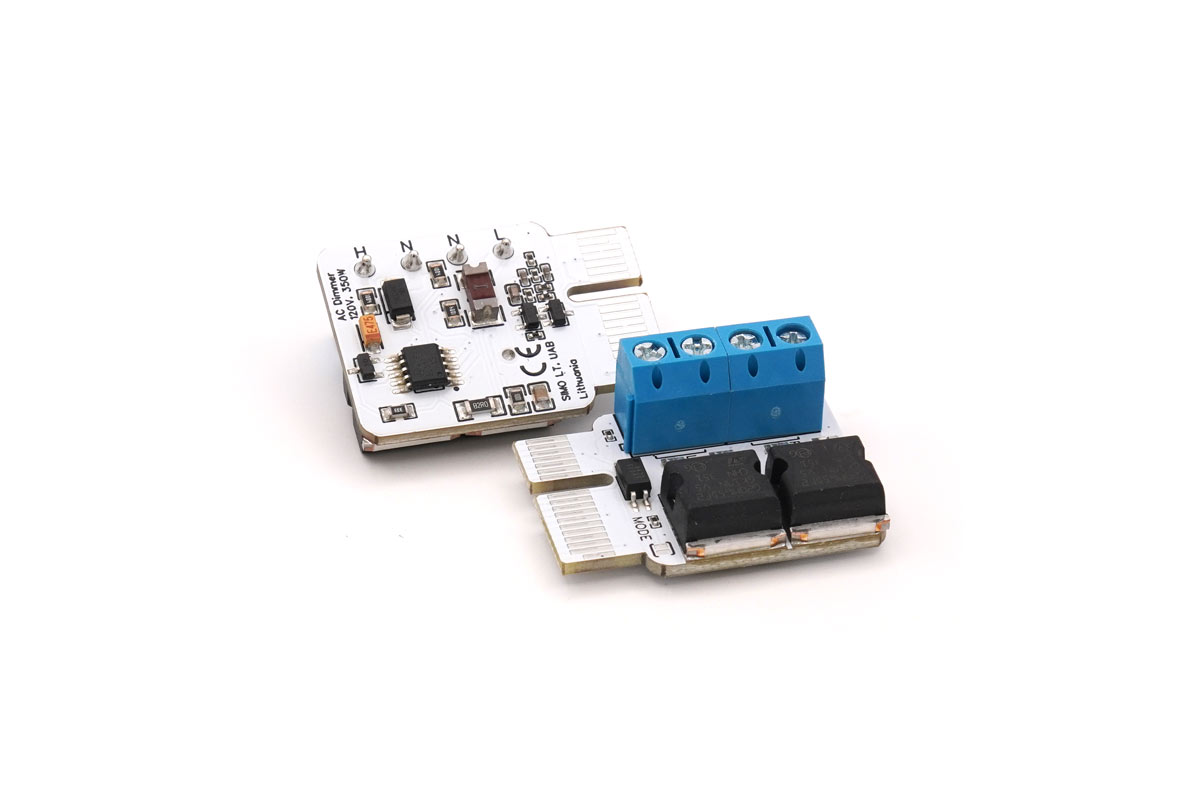
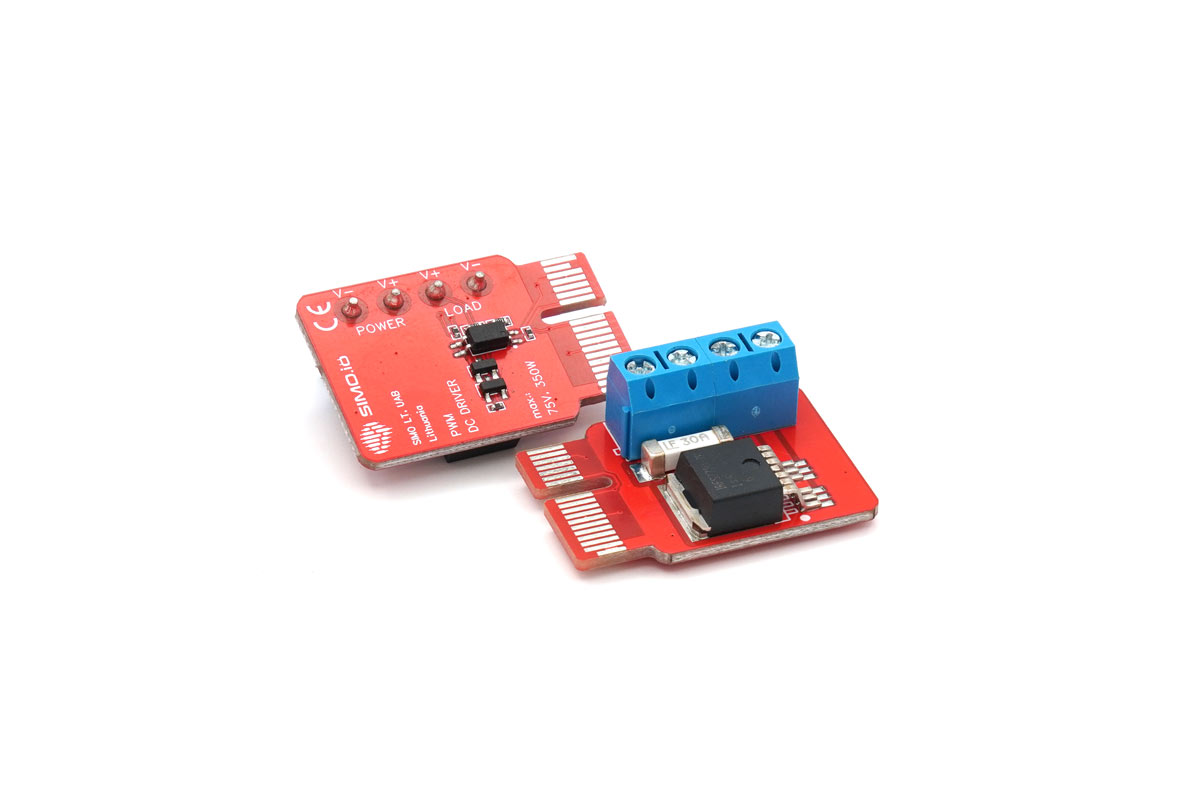
| Included product | Quantity | Unit price | Total |
|---|---|---|---|
| The Game Changer — pro‑grade control, modular by design | 1 | $189.00 | $189.00 |
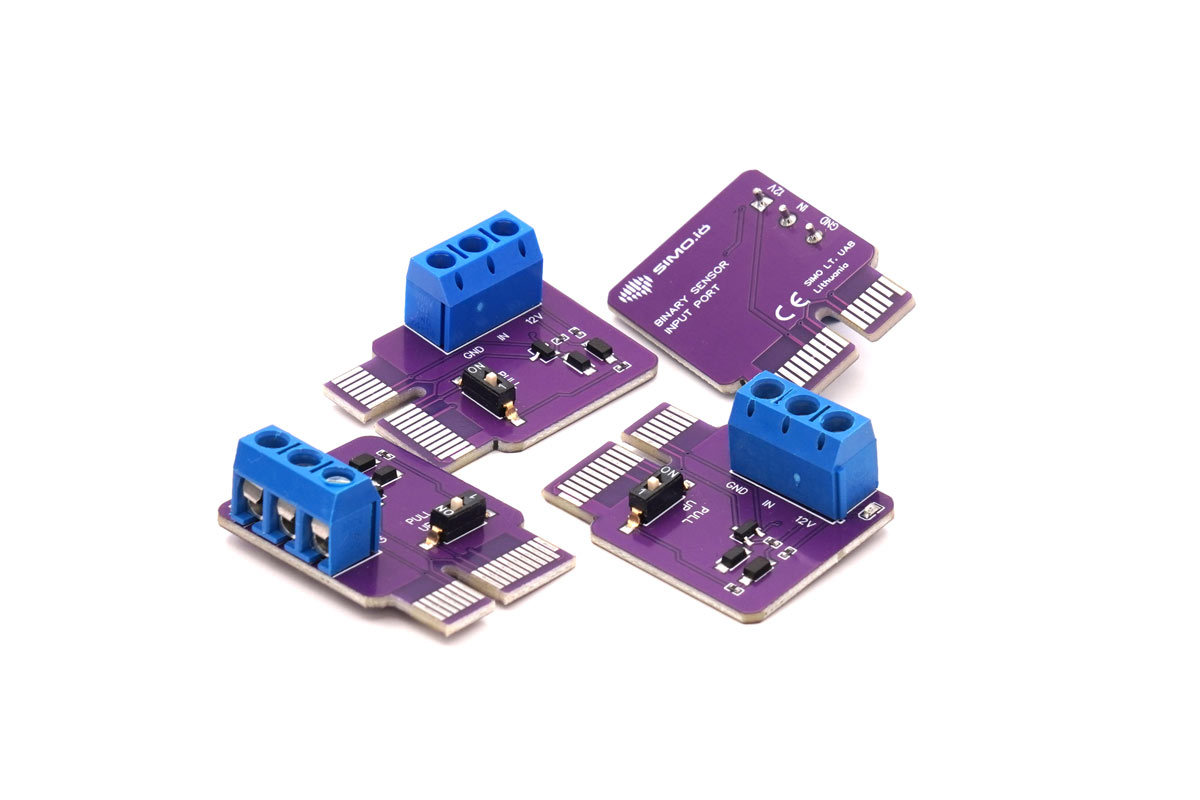
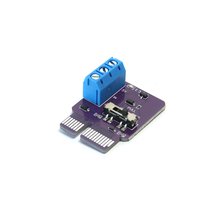
| Binary Input Module | 4 | $4.99 | $19.96 |
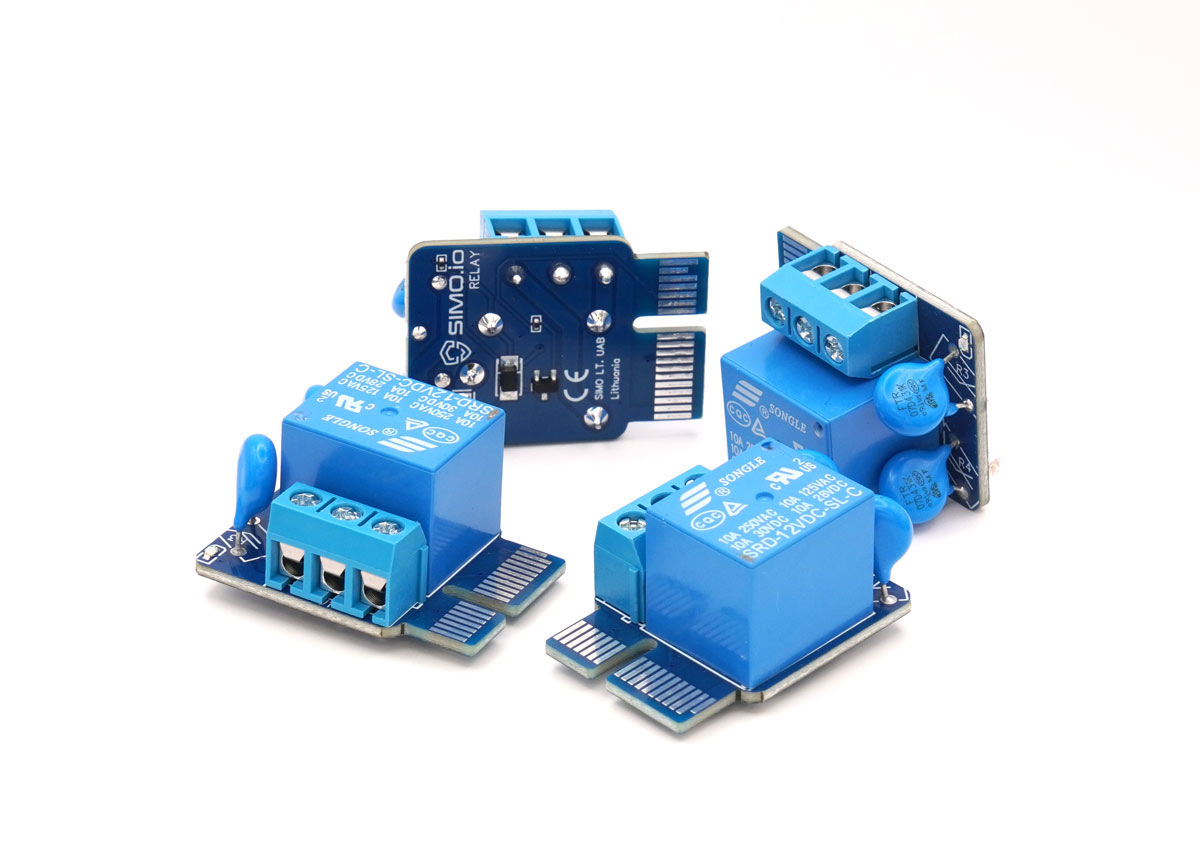
| Relay Module | 4 | $9.99 | $39.96 |
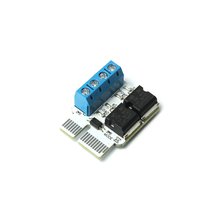
| AC Dimmer 110V | 2 | $12.99 | $25.98 |
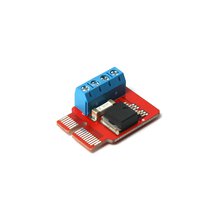
| DC Dimmer | 2 | $12.99 | $25.98 |
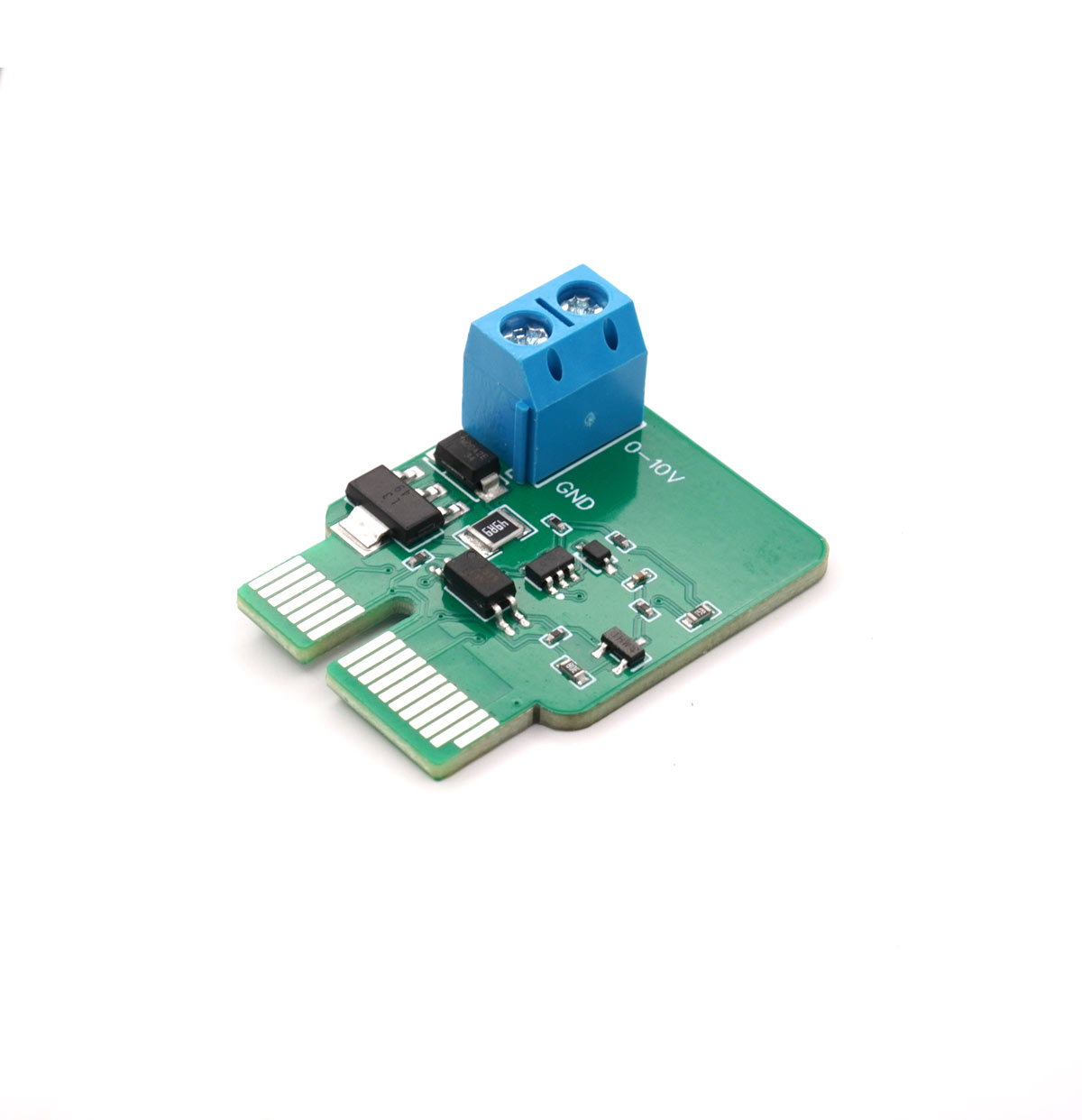
| 0 - 10V Controller | 1 | $12.99 | $12.99 |
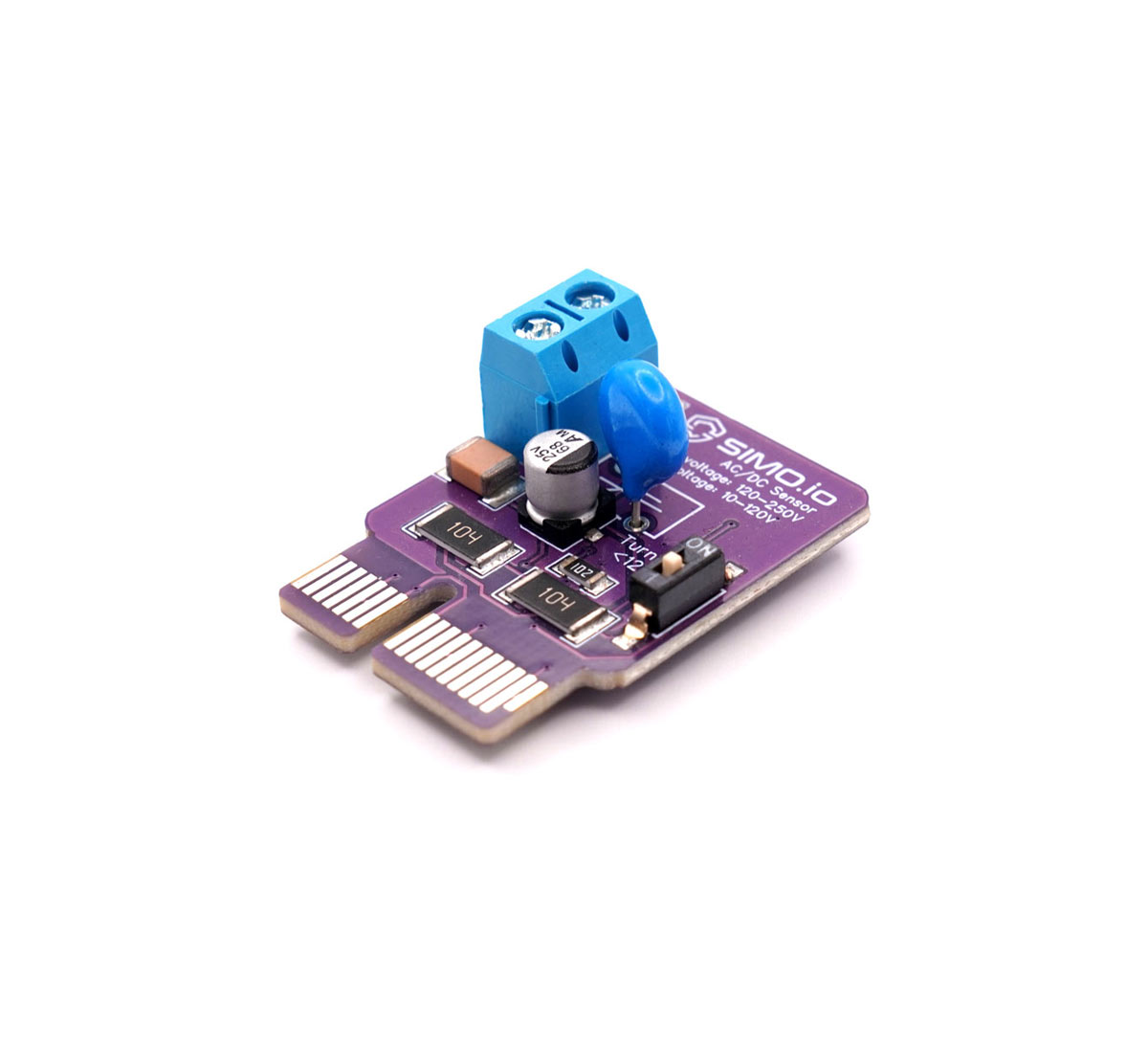
| AC/DC Sensor | 1 | $9.99 | $9.99 |
| Sentinel — One device. Every room. Watches, protects and assists. | 1 | $299.00 | $299.00 |
| Items total: | $622.86 | ||
| Shipping (free): | $30.00 | ||
| Total: | $652.86 | ||
| Combo discount (-47%): | -$303.86 | ||
| Final price: | $349.00 | ||
This product ships from European Union, beautiful country - Lithuania. Import duties might apply depending on your country. Price shown excludes VAT.
 CE marking
 Made in Europe
 Lithuania
- Enjoy free delivery for orders over $500.00!
- For orders below $500.00, a delivery fee of $20.00 - $50.00 applies.
- We deliver your orders with express courier services to ensure you get your products as soon as possible.
- All orders are shipped from EU, Lithuania.
Meet SIMO.io with your hands, not a brochure
The SIMO.io Test Kit is a bench‑in‑a‑box: our core modules, seriously discounted, so you can touch SIMO.io and decide with confidence. No YAML. No documentation marathons. Install the SIMO.io app, power the board, and watch real hardware respond.
What’s inside
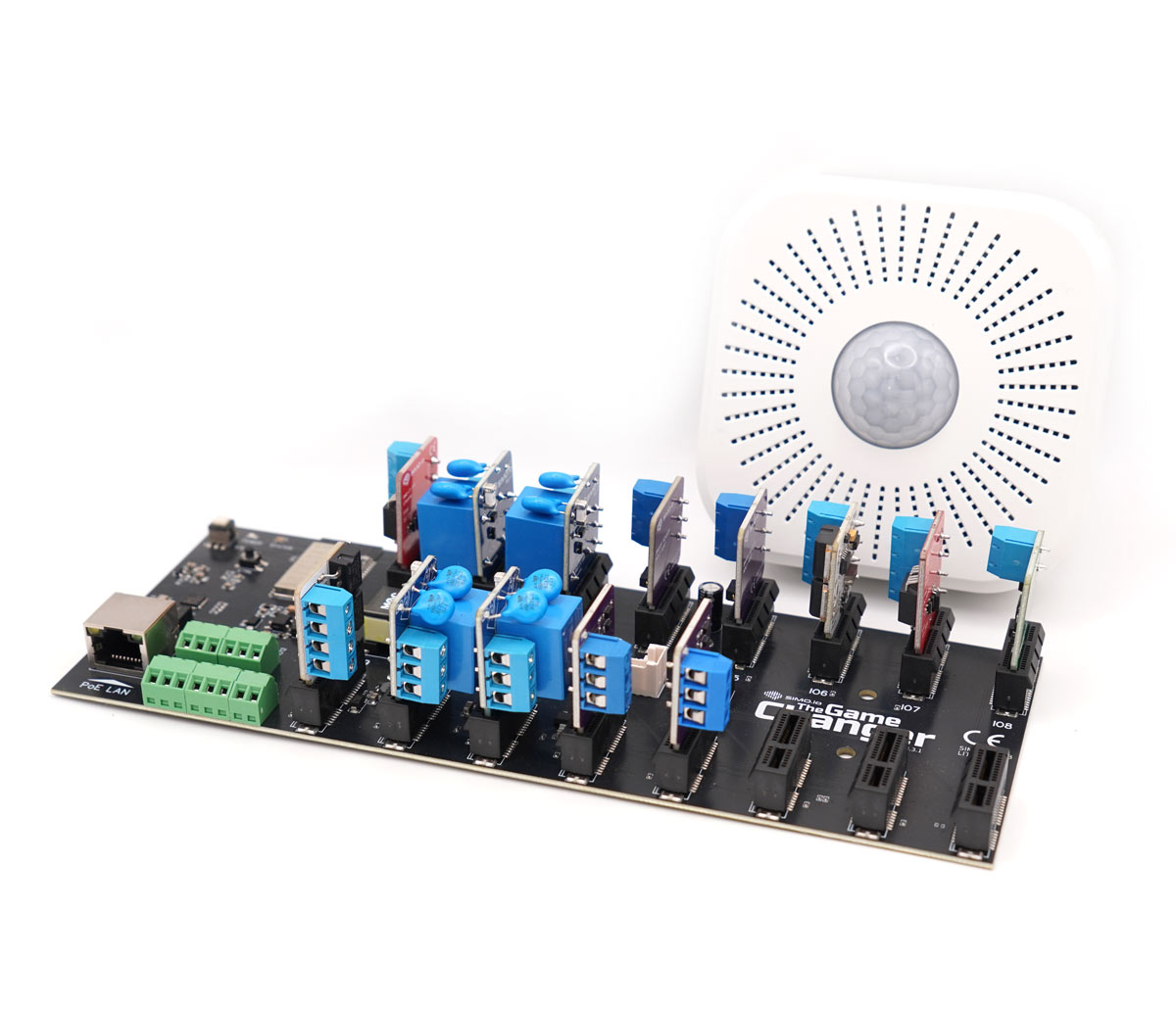
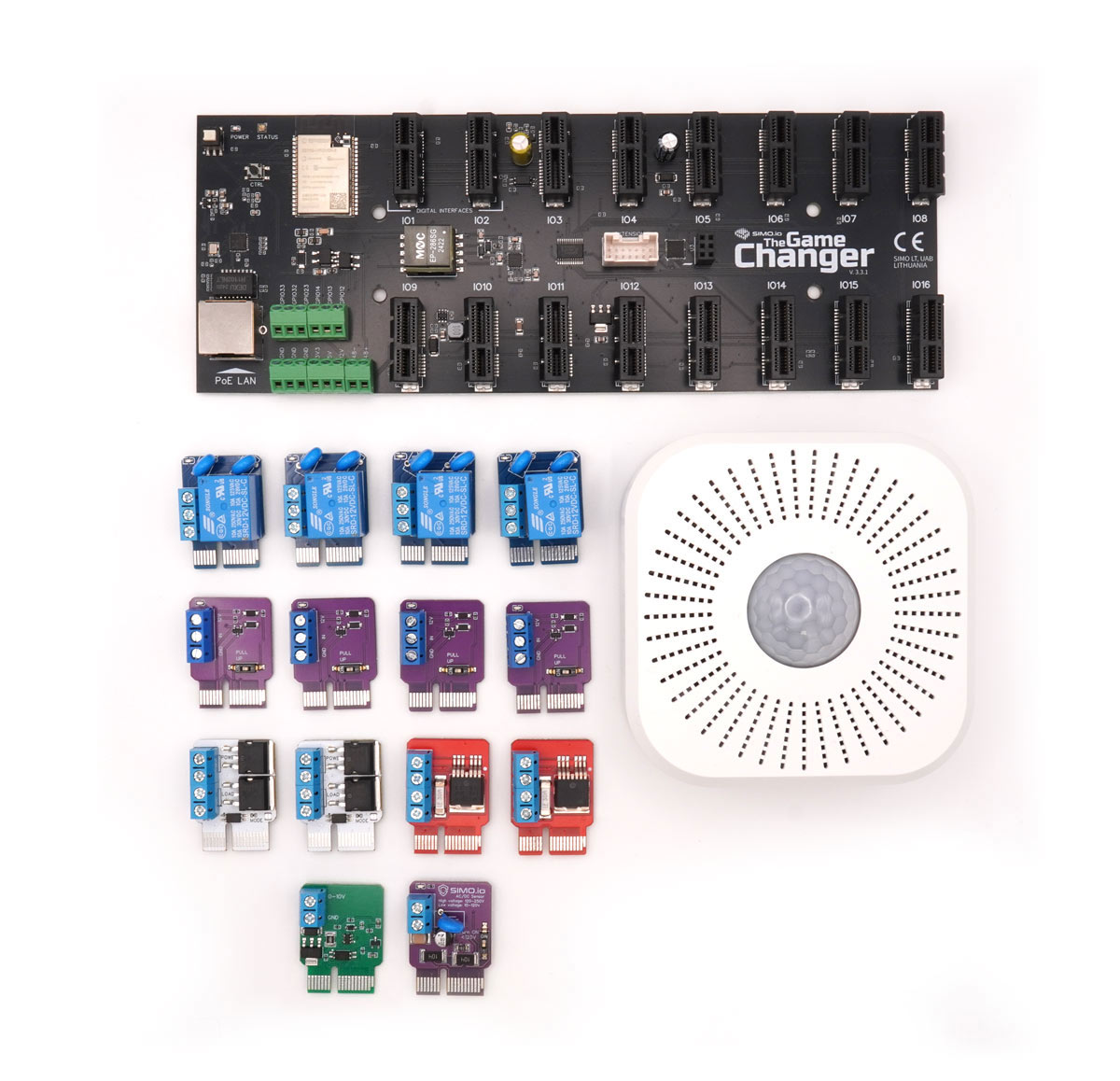
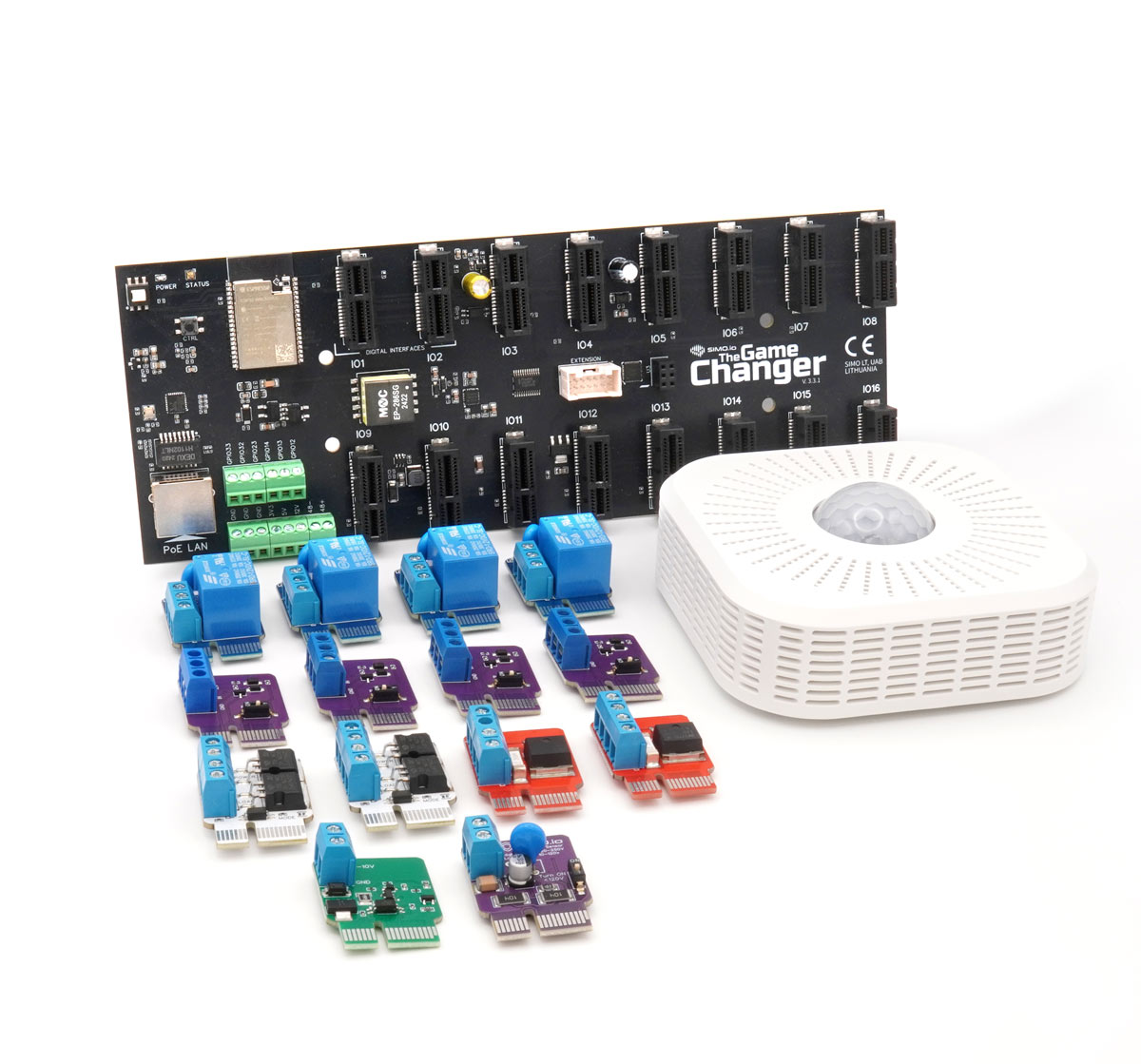
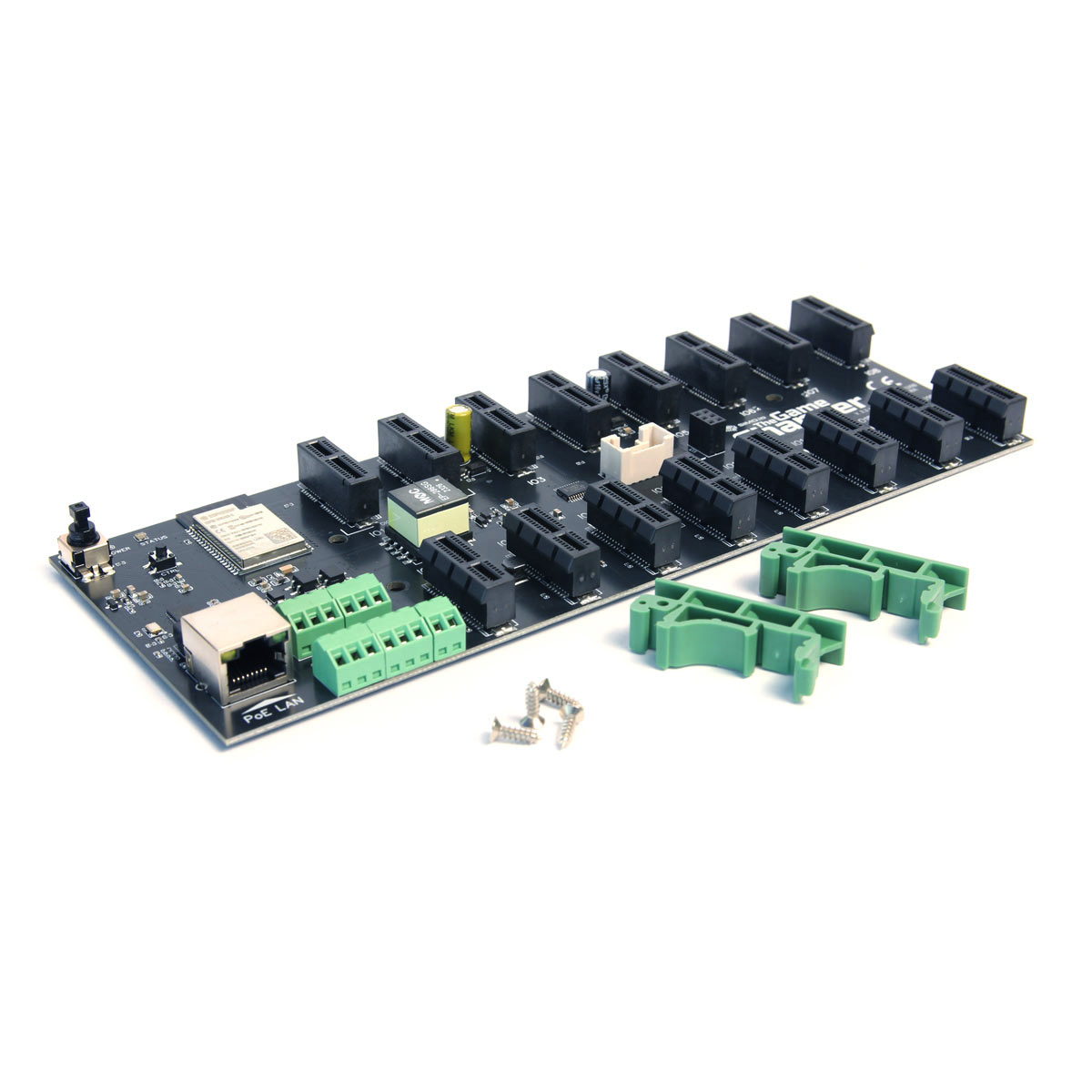
- 1 × The Game Changer board
- 4 × Binary Input Modules
- 4 × Relay Modules
- 2 × DC Dimmers
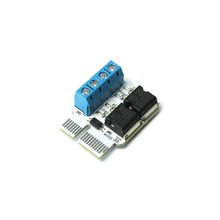
- 2 × AC Dimmers (230 V or 110 V, matched to your order’s country)
- 1 × 0–10 V Controller
- 1 × AC/DC Sensor
- 1 × Sentinel
How you try it
- Fastest path (recommended): create a virtual SIMO.io smart home instance in the app and add The Game Changer. Tap to control, wire a few loads, and feel the flow. Note: virtual instances are for evaluation and cannot be transferred to a local hub later.
- For tinkerers: run our open‑source software on your own PC following the instructions on GitHub to explore advanced capabilities locally.
What you’ll feel in under an hour
- Real control: relays click, dimmers sweep, and the Sentinel reports—on your desk.
- Plain‑language flow: describe intent in the SIMO.io app; the system does the heavy lifting. No scenes to build, no schedules to juggle, no YAML.
- Clarity: the way SIMO.io behaves day‑to‑day—calm, predictable, professional.
Quick start (about 10 minutes)
- Power The Game Changer via PoE or 12 V DC.
- Install the SIMO.io app from Google Play or the App Store.
- In the app: create a virtual SIMO.io smart home instance and add The Game Changer on your network.
- Snap in one Relay and one Binary Input; wire a safe test load.
- Use the app to try a few actions and requests; watch the bench respond.
FAQs
- 1× The Game Changer board
- 4× Binary Input Modules
- 4× Relay Modules
- 2× AC Dimmers
- 2× DC Dimmers
- 1× 0–10 V Controller
- 1× AC/DC Sensor
- 1× Sentinel
- Game Changer can be powered by 12 V DC
- Sentinel can be powered by PoE or 12–36 V DC
- Virtual (cloud) instance: internet is required for devices to communicate with it.
- Local hub / local self-host: your core smart home runs on your LAN and keeps working even if the internet is down.
- Virtual Cloud Hub testing includes a 3-month free trial. After the trial, a yearly cloud subscription is required to continue using it that way.
- If you run a local hub, SIMO Cloud is optional: the home keeps running locally either way.
- Virtual hub: you can generate AI automations in the mobile app, but you can’t directly edit the Python script.
- Local hub: you can generate AI automations and edit the Python scripts via Django Web Admin (power-user mode).
- Europe: 3–5 business days
- North America: 5–7 business days
- Rest of world: 7–14 business days
The Test Kit includes shipping and has a 30-day money-back guarantee—return it within 30 days of delivery for a full refund.
Quiet, protective, reliable, inevitable. Wire once. Snap in modules. Decide with your hands.
Customer reviews

Ethan Caldwell
Strong start for serious DIYers and integrators. The wire-first mindset is refreshing.

Darren Whitaker
Clean experience for testing ideas before committing to a full build-out.

Mike S.
The modular approach is the point. Wire once, then evolve the system without ripping things apart.

Josh Will
Great for building a mental model of SIMO.io. The “change the module, not your weekend” idea is real.

SunsetLatch_58
Very good kit; would benefit from a small troubleshooting section (common wiring and network mistakes).

DriftKestrel88
Good direction and solid components. Onboarding could be friendlier for complete beginners, but the core idea is strong.

granite_ridgeway83
Strong concept and build quality. I'd like a bit more guidance on typical topologies (Ethernet/PoE layouts).

Charlotte Pembroke
Solid kit and strong architecture. I'd love a few more wiring diagrams, but the foundation is excellent.

Lakesider G.
Clear direction, clean hardware, and a calm setup path. This is how smart home should start.
Related products
The Game Changer — pro‑grade control, modular by design
The Game Changer - Extener


Sentinel — One device. Every room. Watches, protects and assists.
Binary Input Module

AC/DC Sensor

Relay Module
DC Dimmer
AC Dimmer 230V
AC Dimmer 110V
